
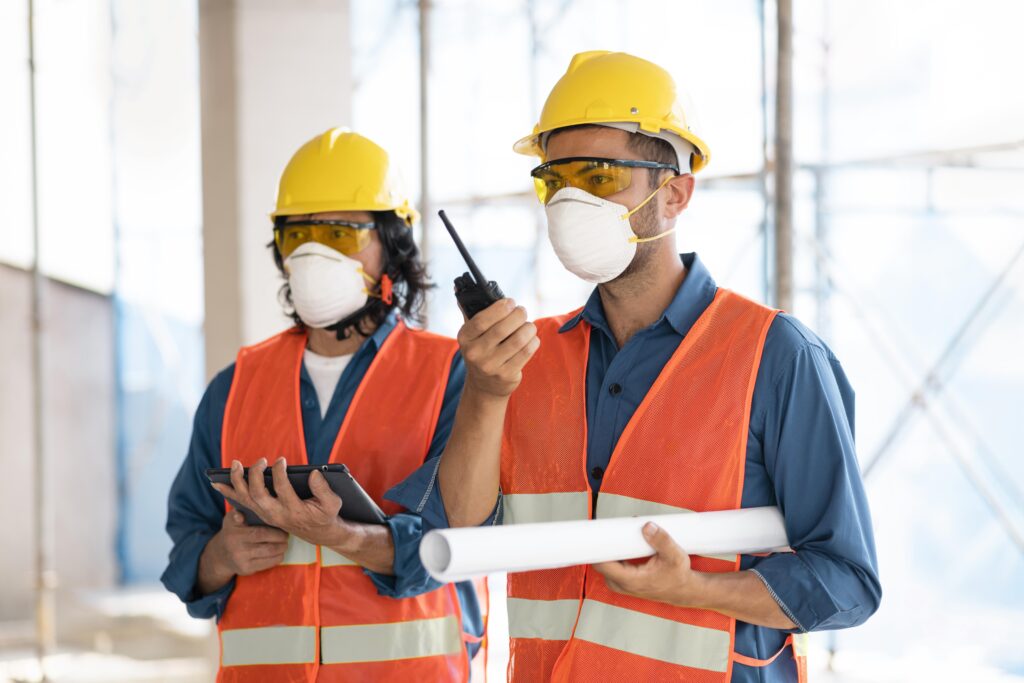
The implementation of K3 (Occupational Health and Safety) in companies is crucial; it not only protects workers but also directly impacts productivity and the company’s sustainability. The high rate of workplace accidents in Indonesia indicates that the implementation of K3 remains a serious challenge that requires collective attention.
What Is K3 and Why It Is Important
K3 is a systematic effort to create a safe, healthy, and comfortable work environment. The primary goal of K3 is to protect workers from workplace accidents, injuries, and work-related illnesses, while also supporting the company’s overall productivity and efficiency.
The implementation of K3 covers occupational risk control, the use of personal protective equipment (PPE), the establishment of work procedures, and fostering a safety-first work culture. The implementation of K3 in Indonesia also has a strong legal basis. Law No. 13 of 2003 on Labor and Government Regulation No. 50 of 2012 on the Occupational Safety and Health Management System (SMK3) require companies, particularly those with more than 100 employees or high-risk operations, to systematically implement OSH management. These regulations aim to create safe, efficient, and productive workplaces, while preventing workplace accidents and work-related illnesses.
The Purpose of K3 Implementation
K3 implementation not only protects workers but also safeguards the company’s sustainability. The main objectives of K3 implementation include:
- Protecting workers from the risk of workplace accidents and diseases.
- Improving productivity through a safe and conducive work environment.
- Ensuring the safety of production resources such as machinery, equipment, and raw materials.
- Creating a healthy, safe, and sustainable work environment.
Workplace Accident Rates in Indonesia
Based on data from the Ministry of Manpower’s Satu Data, from January through December 2024, there were 462,241 cases of workplace accidents, with 91.65 percent involving wage-earning workers, 7.43 percent involving non-wage-earning workers, and 0.92 percent involving construction workers. These figures indicate that the rate of workplace accidents remains high in Indonesia and requires greater efforts to prevent them.
Workplace Accident Effects on Workers and Companies
Workplace accidents not only affect workers’ physical and psychological well-being but also result in losses for the company. Common consequences include:
- Injuries and work-related illnesses.
- Decreased productivity and work efficiency.
- Financial losses due to medical expenses, compensation, and operational downtime.
- Damage to the company’s reputation in the eyes of the public and stakeholders.
Common Causes of Workplace Accidents
Most workplace accidents are caused by human factors, such as negligence, noncompliance with safety procedures, and failure to use personal protective equipment in accordance with standards. In addition, workplace environmental factors such as poor lighting, cluttered workspaces, and extreme temperatures also increase the risk of accidents. Technical factors are equally important, such as machinery unfit for use, work equipment that does not meet standards, or work procedures that are unclear and poorly communicated. This is consistent with the Domino Effect Theory proposed by H.W. Heinrich. The theory explains that workplace accidents result from a series of interrelated causes. Heinrich noted that approximately 88% of workplace accidents are caused by human factors, 10% by unsuitable conditions or equipment, and the remainder by other factors. Therefore, efforts to prevent workplace accidents must be implemented, planned, and sustained from the very beginning.
Employer Responsibilities for Preventing Workplace Accidents
Companies need to identify hazards early, not after a workplace accident occurs. Companies can take the following preventive measures:
- Work System-Based Prevention
Workplace accident prevention must be carried out proactively by identifying risks early on. Companies need to establish safe and standardized work systems. - K3 Training and Awareness for Workers
K3 training prior to employment is essential for raising workers’ awareness and understanding of workplace risks and how to control them. - Monitoring, Inspection, and Reporting of Near Misses
Routine monitoring, workplace inspections, and reporting of near misses are important steps in preventing more serious accidents.
In addition, there are general preventive measures used to prevent workplace accidents, namely the HIRA (Hazard Identification and Risk Assessment) principle. HIRA is a systematic process for identifying hazards, assessing risk levels based on likelihood and impact, and determining appropriate control measures. Risk control is carried out in stages, ranging from hazard elimination and substitution, the implementation of technical and administrative controls, to the use of personal protective equipment as a last resort.
K3 plays a vital role in creating a safe, healthy, and productive work environment. By understanding the causes of workplace accidents and implementing system-based prevention measures such as HIRA and SMK3, companies can reduce the risk of accidents and work-related illnesses. Consistent implementation of K3 not only protects workers but also supports the company’s long-term sustainability and competitiveness.
Read Also: What is Occupational Health and Safety (OHS) and Its 7 Career Prospects?
Pingback: Labor Needs in the Shipbuilding Industry: Challenges & Solutions
Pingback: Shipyard Workers - Strengthening the Competencies