
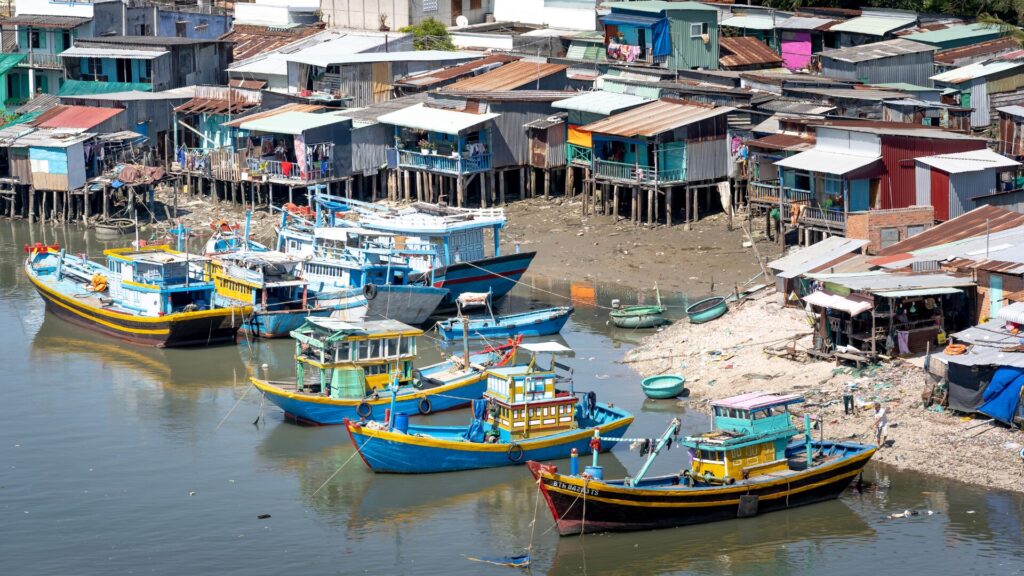
Little by little, the map of Indonesia changes every year in subtle, imperceptible ways. The coastline continues to shift due to various environmental pressures. Behind these changes lie serious impacts felt directly by coastal communities. For them, the ocean is not merely a landscape, but a source of livelihood, a space for daily activities, and an integral part of their daily identity. When the coastline recedes or ecosystems are damaged, it is not only the environment that is affected, but also the economic stability and well-being of these communities.
This issue relates to coastal resilience, which is the ability of coastal areas to withstand, adapt to, and recover from various pressures such as climate change, erosion, and human activities. Coastal resilience is crucial because these areas directly face the impacts of climate change and other environmental pressures. When coastal resilience weakens, the risk of disasters such as storm surges and coastal erosion increases, directly threatening people’s homes and livelihoods.
Coastal areas also play a strategic role in maintaining marine ecosystem balance and supporting economic sectors such as fisheries and tourism. If not managed properly, damage can have widespread impacts, ranging from a decline in fishermen’s catches to a reduction in tourism appeal. As an archipelago, coastal resilience is crucial for Indonesia because the coasts are both living spaces and the foundation of economic activity for millions of people. Therefore, safeguarding coastal resilience is no longer merely an option but a shared necessity.
Coastal communities’ resilience is currently facing these problems:
1. Natural Disaster and Climate Change
Rising sea levels are one of the greatest threats to coastal areas. This phenomenon can trigger increasingly frequent tidal flooding. At the same time, coastal erosion is slowly eroding the land, eliminating productive land that was previously used by local communities.
2. Unplanned Development
Coastal development that ignores environmental considerations and is not properly planned can further damage the environment. One example is the loss of mangrove forests, which serve as natural coastal barriers. Without mangroves, the risk of coastal erosion and natural disasters increases.
3. Plastic Waste Pollution
As lifestyles change, the use of single-use plastics is increasing, including in coastal areas. Inadequate waste management has led to plastic accumulation in the ocean and ecosystem damage, which ultimately affects people’s livelihoods.
Solutions for Coastal Communities’ Problems
To address those challenges, efforts are needed that are not only short-term but also sustainable and involve a wide range of stakeholders. Here are some steps that can be taken to strengthen coastal resilience
1. Mangrove Restoration & Reforestation
Mangrove reforestation is one of the most effective solutions for protecting coastal areas. Mangrove roots are strong enough to withstand ocean waves, reduce erosion, and strengthen the soil structure along the shoreline. In addition, mangroves serve as habitats for various marine species, contributing to the maintenance of ecosystem balance. In the long term, the presence of mangroves not only protects the environment but also supports the livelihoods of communities, such as fishermen and fish farmers.
2. Sustainable Environment Management
Waste issues, particularly those involving single-use plastics, must be addressed collectively. Reducing plastic use in daily life is an important first step, but an organized waste management system must support it. Communities can begin establishing community-based waste management systems, such as sorting waste at the source, recycling activities, and converting waste into products with economic value. These efforts not only reduce marine pollution but also create new economic opportunities for communities in the area.
3. Disaster Mitigation and Adaptation
Climate change leads to increasingly unpredictable weather conditions. Therefore, communities in these areas need to improve their ability to adapt to disaster risks. Simple steps such as adjusting fishing schedules, understanding weather patterns, and utilizing early warning systems can help reduce the risk of losses. Additionally, disaster education is crucial to ensure communities are better prepared to handle emergency situations. These mitigation efforts focus not only on responding once a disaster strikes but also on preparedness beforehand, thereby minimizing its impact.
Corporate Social Responsibility Programs
In addition to the public, companies also play a vital role as agents of change through sustainable Corporate Social Responsibility (CSR) programs. What can companies do?
1. Strengthening Coastal Communities’ Economy
Companies can help coastal communities process fishery products into value-added goods, such as ready-to-eat processed foods. In addition, skills training, business mentoring, and access to marketing channels are also essential to ensure that local products can compete in broader markets. This program can also create economic opportunities for women and young people in the area, enabling them to move beyond reliance on marine catches and secure more stable alternative sources of income.
2. Turning Waste into Value
Companies can promote the circular economy concept, in which waste is not simply discarded but managed and reused. Examples include establishing waste banks, providing recycling training, and processing plastic waste into valuable products such as bags, handicrafts, or raw materials for creative industries. In addition to reducing marine pollution, this approach also creates new economic opportunities for communities, as waste that was previously worthless can be transformed into a source of additional income.
3. Developing Disaster Mitigation
Companies can also contribute to coastal environment conservation by planting coastal vegetation, such as mangroves, which serve as natural barriers against abrasion and ocean waves. These efforts should not be a one-time initiative but must be accompanied by community education and engagement to ensure their sustainability. In addition, companies can support disaster mitigation programs, such as providing simple early warning systems, conducting preparedness training, and building environmentally friendly supporting infrastructure.
In addition to the programs mentioned above, companies can also contribute by providing vocational education to develop coastal communities through the enhancement of local economic activities. Given that Indonesia has the second-longest coastline in the world and tremendous marine economic potential, such programs will have a significant and tangible impact on the country.
Read Also: What is TJSL? Definition and 4 Examples of Corporate Social Responsibility Programs